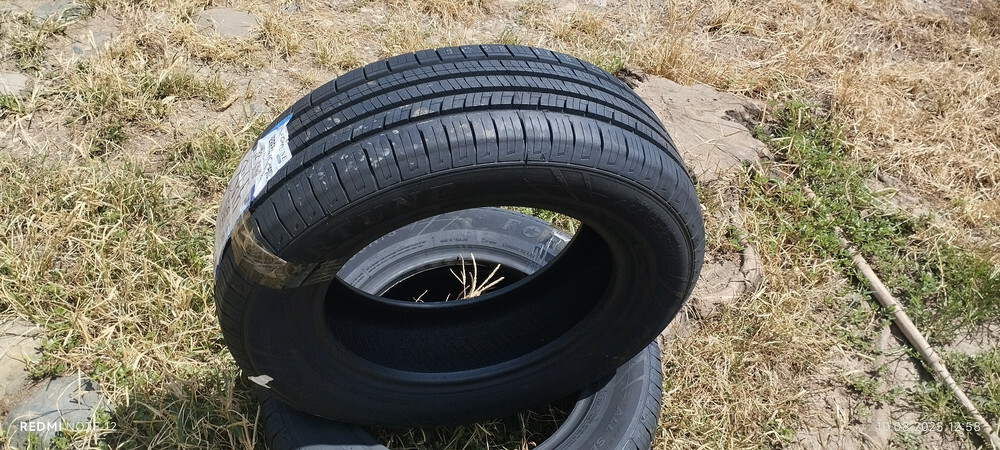
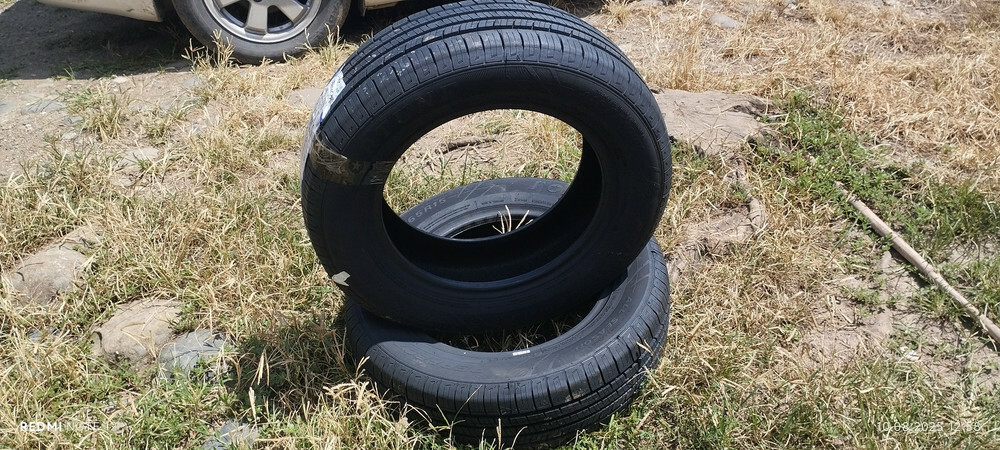
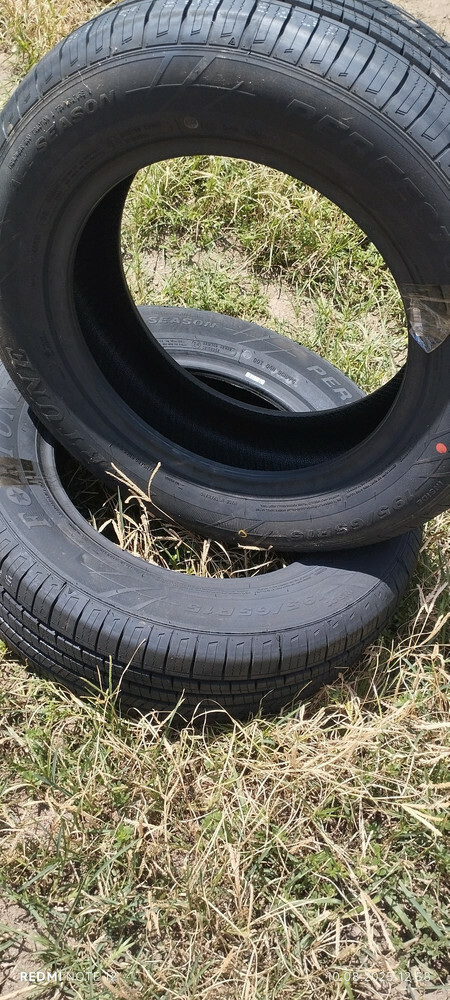
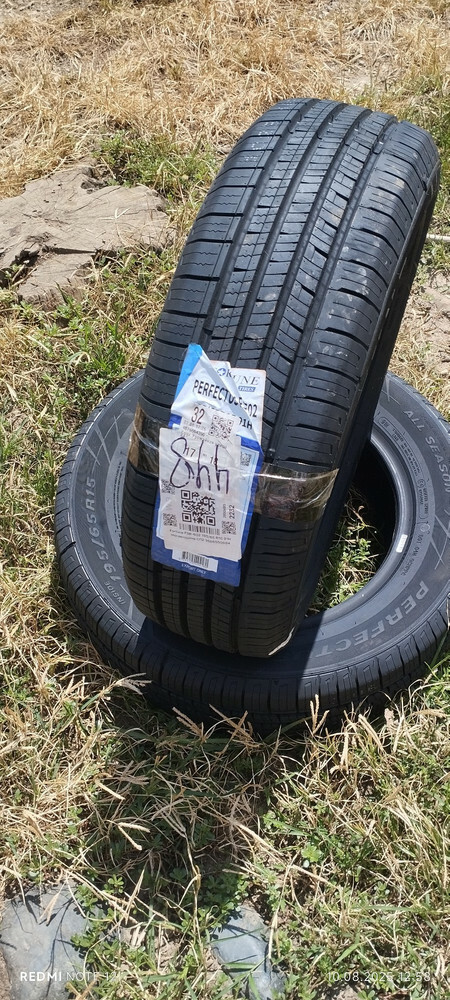
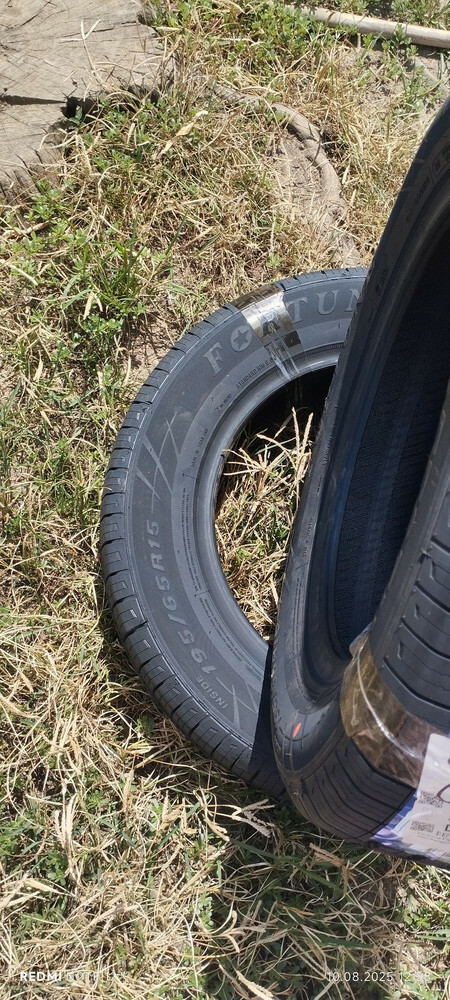
Opiniones sobre neumáticos Fortune FSR-602. Página 2 107
-

Fortune FSR-602

Статистика отзывов на шины Fortune FSR-602
Ниже отображены сводные характеристики шины, основанные на отзывах и оценках автовладельцев со всего мира.
При учёте общей оценки летней шины её показатели на снегу и льду не учитываются.
- Средняя оценка шин Fortune FSR-602 пользователями сайта:
- Количество отзывов на шины Fortune FSR-602: 107 шт.
- Место в рейтинге: 145
- Место в рейтинге (летние): 94
- Manejo en carretera seca
- Manejo en carretera mojada
- Confort durante el movimiento
- Bajo nivel de ruido en marcha
- Calificación
- Resistencia a la aquaplaning
- Características de velocidad
- Resistencia al desgaste
- Calidad de fabricación
- Valor por dinero
Оценки шин Fortune FSR-602 по месяцам
- El producto fue comprado en Mosavtochina
- Calificación
He notado malas características después de instalarlos en el eje trasero. Los recomiendo para microbuses y furgonetas.
- Vehículo:
- Nissan Serena
- Tamaño:
- 205/65 R15 99H XL
- ¿Compraría de nuevo?:
- Probablemente sí
- Ciudad:
- Noguinsk
- Manejo en carretera seca
- Manejo en carretera mojada
- Confort durante el movimiento
- Estabilidad direccional
- Bajo nivel de ruido en marcha
- Eficacia de frenado
- Resistencia a la aquaplaning
- Características de velocidad
- Resistencia al desgaste
- Calidad de fabricación
- Valor por dinero
- El producto fue comprado en Mosavtochina
- Calificación
Compré hace un año dos ruedas y todo me gustó mucho, este año compré dos más, solo me duele que la goma sea del 24 y ya tiene 7 meses
- Tamaño:
- 195/65 R15 91H
- Calificación
- El producto fue comprado en Mosavtochina
- Calificación
Excelente elección. El camino se mantiene bien. En la carretera mojada con charcos se comportan excelente.
- Vehículo:
- Hyundai ix35
- Tamaño:
- 225/60 R17 99V
- ¿Compraría de nuevo?:
- Probablemente sí
- Ciudad:
- Moscú
- Manejo en carretera seca
- Manejo en carretera mojada
- Confort durante el movimiento
- Estabilidad direccional
- Bajo nivel de ruido en marcha
- Eficacia de frenado
- Resistencia a la aquaplaning
- Características de velocidad
- Resistencia al desgaste
- Calidad de fabricación
- Valor por dinero
- El producto fue comprado en Mosavtochina
- Calificación
Neumáticos buenos
- Tamaño:
- 215/55 R18 95V
- Calificación
- El producto fue comprado en Mosavtochina
- Calificación
La goma llegó en buen estado, solo hubo un poco de retraso en la etapa de documentación, debería haber llegado en 2 días, pero llegó en 5.
Es nueva y suave, se montó en el disco sin problemas.
Conducir se ha vuelto agradable, no hay ruido ni vibraciones, mantiene el camino de manera excelente, puse 150 entre las cámaras y no noté ruido.- Tamaño:
- 195/65 R15 91H
- Calificación
- El producto fue comprado en Mosavtochina
- Calificación
Producto de calidad
- Tamaño:
- 195/65 R15 91H
- Calificación
- El producto fue comprado en Mosavtochina
- Calificación
Estoy muy contento de que las llantas llegaran un poco tarde, pero llegaron a tiempo cuando las necesitábamos
- Tamaño:
- 195/65 R15 91H
- Calificación
- El producto fue comprado en Mosavtochina
- Calificación
Estoy satisfecho.
- Vehículo:
- ВАЗ 4X4
- Tamaño:
- 205/65 R16 95H
- ¿Compraría de nuevo?:
- Probablemente sí
- Ciudad:
- Петрозаводск
- Manejo en carretera seca
- Manejo en carretera mojada
- Confort durante el movimiento
- Estabilidad direccional
- Bajo nivel de ruido en marcha
- Eficacia de frenado
- Resistencia a la aquaplaning
- Características de velocidad
- Resistencia al desgaste
- Calidad de fabricación
- Valor por dinero
- El producto fue comprado en Mosavtochina
- Calificación
Excelentes neumáticos
- Vehículo:
- Lada Kalina Sport
- Tamaño:
- 175/65 R14 82T
- ¿Compraría de nuevo?:
- Probablemente sí
- Ciudad:
- Noguinsk
- Manejo en carretera seca
- Manejo en carretera mojada
- Confort durante el movimiento
- Estabilidad direccional
- Bajo nivel de ruido en marcha
- Eficacia de frenado
- Resistencia a la aquaplaning
- Características de velocidad
- Resistencia al desgaste
- Calidad de fabricación
- Valor por dinero
- El producto fue comprado en Mosavtochina
- Calificación
**Reasoning**: The patent draft describes a computer system that automatically captures information from audio data and computer operating context, such as conversations and meetings. The system uses an activity detection module to detect starting conditions for data extraction, and then processes the audio data using speech recognition and pattern detection modules to identify relevant patterns. The system provides the extracted text and patterns to a note-taking application, which allows users to interactively edit a digital document incorporating the extracted information.
**Claims**:
1. A computer-implemented method for automatically capturing information from audio data and computer operating context, comprising: detecting starting conditions for data extraction using an activity detection module; processing the audio data using speech recognition and pattern detection modules to identify relevant patterns; and providing the extracted text and patterns to a note-taking application.
2. The method of claim 1, wherein the activity detection module uses machine learning algorithms to detect starting conditions based on audio data and computer operating context, including user interactions, system configurations, and application programming interfaces.
3. A computer system for automatically capturing information from audio data and computer operating context, comprising: a central processing unit (CPU) coupled to a memory storing instructions for detecting starting conditions for data extraction; an activity detection module executing instructions from the memory to detect starting conditions based on audio data and computer operating context; and an interface module coupled to the CPU, providing the extracted text and patterns to a note-taking application.
4. The system of claim 3, wherein the activity detection module uses natural language processing (NLP) algorithms to identify relevant patterns in the audio data, and the note-taking application allows users to interactively edit a digital document incorporating the extracted information.
5. A method for training a machine learning model to detect starting conditions for data extraction, comprising: collecting and labeling a dataset of audio data and computer operating context; training a machine learning model using the labeled dataset; and deploying the trained model in the computer system to detect starting conditions.
6. The method of claim 5, wherein the machine learning model uses deep learning algorithms to detect starting conditions based on audio data and computer operating context, including user interactions and system configurations.
7. A computer-implemented system for automatically capturing information from audio data and computer operating context, comprising: a user interface module coupled to the CPU, allowing users to interactively edit a digital document incorporating the extracted information; and a storage device coupled to the CPU, storing the extracted text and patterns.
8. The system of claim 7, wherein the user interface module provides a graphical user interface (GUI) for users to view and edit the extracted information, and the storage device stores the extracted text and patterns in a database for later retrieval.
9. A method for automatically capturing information from audio data and computer operating context, comprising: detecting starting conditions for data extraction using an activity detection module; processing the audio data using speech recognition and pattern detection modules; and providing the extracted text and patterns to a note-taking application.
10. The method of claim 9, wherein the activity detection module uses machine learning algorithms to detect starting conditions based on audio data and computer operating context, including user interactions and system configurations.
11. A computer system for automatically capturing information from audio data and computer operating context, comprising: a CPU coupled to a memory storing instructions for detecting starting conditions; an activity detection module executing instructions from the memory; and an interface module coupled to the CPU, providing the extracted text and patterns to a note-taking application.
12. The system of claim 11, wherein the activity detection module uses natural language processing (NLP) algorithms to identify relevant patterns in the audio data, and the note-taking application allows users to interactively edit a digital document incorporating the extracted information.
13. A method for training a machine learning model to detect starting conditions for data extraction, comprising: collecting and labeling a dataset of audio data and computer operating context; training a machine learning model using the labeled dataset; and deploying the trained model in the computer system to detect starting conditions.
14. The method of claim 13, wherein the machine learning model uses deep learning algorithms to detect starting conditions based on audio data and computer operating context, including user interactions and system configurations.
15. A computer-implemented system for automatically capturing information from audio data and computer operating context, comprising: a user interface module coupled to the CPU, allowing users to interactively edit a digital document incorporating the extracted information; and a storage device coupled to the CPU, storing the extracted text and patterns in a database for later retrieval.**Claims**:
1. A computer-implemented method for automatically capturing information from audio data and computer operating context, comprising: detecting starting conditions for data extraction using an activity detection module; processing the audio data using speech recognition and pattern detection modules to identify relevant patterns; and providing the extracted text and patterns to a note-taking application.
2. The method of claim 1, wherein the activity detection module uses machine learning algorithms to detect starting conditions based on audio data and computer operating context, including user interactions and system configurations.
3. A computer system for automatically capturing information from audio data and computer operating context, comprising: a central processing unit (CPU) coupled to a memory storing instructions for detecting starting conditions; an activity detection module executing instructions from the memory to detect starting conditions; and an interface module coupled to the CPU, providing the extracted text and patterns to a note-taking application.
4. The system of claim 3, wherein the activity detection module uses natural language processing (NLP) algorithms to identify relevant patterns in the audio data, and the note-taking application allows users to interactively edit a digital document incorporating the extracted information.
5. A method for training a machine learning model to detect starting conditions for data extraction, comprising: collecting and labeling a dataset of audio data and computer operating context; training a machine learning model using the labeled dataset; and deploying the trained model in the computer system to detect starting conditions.
6. The method of claim 5, wherein the machine learning model uses deep learning algorithms to detect starting conditions based on audio data and computer operating context, including user interactions and system configurations.
7. A computer-implemented system for automatically capturing information from audio data and computer operating context, comprising: a user interface module coupled to the CPU, allowing users to interactively edit a digital document incorporating the extracted information; and a storage device coupled to the CPU, storing the extracted text and patterns in a database for later retrieval.
8. The system of claim 7, wherein the user interface module provides a graphical user interface (GUI) for users to view and edit the extracted information, and the storage device stores the extracted text and patterns in a database for later retrieval.
9. A method for automatically capturing information from audio data and computer operating context, comprising: detecting starting conditions for data extraction using an activity detection module; processing the audio data using speech recognition and pattern detection modules; and providing the extracted text and patterns to a note-taking application.
10. The method of claim 9, wherein the activity detection module uses machine learning algorithms to detect starting conditions based on audio data and computer operating context, including user interactions and system configurations.
11. A computer system for automatically capturing information from audio data and computer operating context, comprising: a CPU coupled to a memory storing instructions for detecting starting conditions; an activity detection module executing instructions from the memory; and an interface module coupled to the CPU, providing the extracted text and patterns to a note-taking application.
12. The system of claim 11, wherein the activity detection module uses natural language processing (NLP) algorithms to identify relevant patterns in the audio data, and the note-taking application allows users to interactively edit a digital document incorporating the extracted information.
13. A method for training a machine learning model to detect starting conditions for data extraction, comprising: collecting and labeling a dataset of audio data and computer operating context; training a machine learning model using the labeled dataset; and deploying the trained model in the computer system to detect starting conditions.
14. The method of claim 13, wherein the machine learning model uses deep learning algorithms to detect starting conditions based on audio data and computer operating context, including user interactions and system configurations.
15. A computer-implemented system for automatically capturing information from audio data and computer operating context, comprising: a user interface module coupled to the CPU, allowing users to interactively edit a digital document incorporating the extracted information; and a storage device coupled to the CPU, storing the extracted text and patterns in a database for later retrieval.**Claims**:
1. A method for automatically capturing information from audio data and computer operating context, comprising detecting starting conditions for data extraction, processing audio data, and providing extracted text and patterns to a note-taking application.
2. The method of claim 1, wherein the activity detection module uses machine learning algorithms to detect starting conditions based on audio data and computer operating context.
3. A computer system for automatically capturing information from audio data and computer operating context, comprising a CPU, activity detection module, and interface module.
4. The system of claim 3, wherein the activity detection module uses natural language processing algorithms to identify relevant patterns in the audio data.
5. A method for training a machine learning model to detect starting conditions for data extraction, comprising collecting and labeling a dataset, training a machine learning model, and deploying the trained model.
6. The method of claim 5, wherein the machine learning model uses deep learning algorithms to detect starting conditions based on audio data and computer operating context.
7. A computer-implemented system for automatically capturing information from audio data and computer operating context, comprising a user interface module and a storage device coupled to the CPU.
8. The system of claim 7, wherein the user interface module provides a graphical user interface for users to view and edit the extracted information.
9. A method for automatically capturing information from audio data and computer operating context, comprising detecting starting conditions, processing audio data, and providing extracted text and patterns to a note-taking application.
10. The method of claim 9, wherein the activity detection module uses machine learning algorithms to detect starting conditions based on audio data and computer operating context.
11. A computer system for automatically capturing information from audio data and computer operating context, comprising a CPU, activity detection module, and interface module.
12. The system of claim 11, wherein the activity detection module uses natural language processing algorithms to identify relevant patterns in the audio data.
13. A method for training a machine learning model to detect starting conditions for data extraction, comprising collecting and labeling a dataset, training a machine learning model, and deploying the trained model.
14. The method of claim 13, wherein the machine learning model uses deep learning algorithms to detect starting conditions based on audio data and computer operating context.
15. A computer-implemented system for automatically capturing information from audio data and computer operating context, comprising a user interface module and a storage device coupled to the CPU.**Claims**:
1. A method for automatically capturing information from audio data and computer operating context, comprising: detecting starting conditions for data extraction using an activity detection module; processing the audio data using speech recognition and pattern detection modules; and providing the extracted text and patterns to a note-taking application.
2. The method of claim 1, wherein the activity detection module uses machine learning algorithms to detect starting conditions based on audio data and computer operating context.
3. A computer system for automatically capturing information from audio data and computer operating context, comprising: a central processing unit (CPU) coupled to a memory storing instructions for detecting starting conditions; an activity detection module executing instructions from the memory; and an interface module coupled to the CPU, providing the extracted text and patterns to a note-taking application.
4. The system of claim 3, wherein the activity detection module uses natural language processing (NLP) algorithms to identify relevant patterns in the audio data.
5. A method for training a machine learning model to detect starting conditions for data extraction, comprising: collecting and labeling a dataset of audio data and computer operating context; training a machine learning model using the labeled dataset; and deploying the trained model in the computer system to detect starting conditions.
6. The method of claim 5, wherein the machine learning model uses deep learning algorithms to detect starting conditions based on audio data and computer operating context.
7. A computer-implemented system for automatically capturing information from audio data and computer operating context, comprising: a user interface module coupled to the CPU, allowing users to interactively edit a digital document incorporating the extracted information; and a storage device coupled to the CPU, storing the extracted text and patterns in a database for later retrieval.
8. The system of claim 7, wherein the user interface module provides a graphical user interface (GUI) for users to view and edit the extracted information.
9. A method for automatically capturing information from audio data and computer operating context, comprising: detecting starting conditions for data extraction using an activity detection module; processing the audio data using speech recognition and pattern detection modules; and providing the extracted text and patterns to a note-taking application.
10. The method of claim 9, wherein the activity detection module uses machine learning algorithms to detect starting conditions based on audio data and computer operating context.
11. A computer system for automatically capturing information from audio data and computer operating context, comprising: a CPU coupled to a memory storing instructions for detecting starting conditions; an activity detection module executing instructions from the memory; and an interface module coupled to the CPU, providing the extracted text and patterns to a note-taking application.
12. The system of claim 11, wherein the activity detection module uses natural language processing (NLP) algorithms to identify relevant patterns in the audio data.
13. A method for training a machine learning model to detect starting conditions for data extraction, comprising: collecting and labeling a dataset of audio data and computer operating context; training a machine learning model using the labeled dataset; and deploying the trained model in the computer system to detect starting conditions.
14. The method of claim 13, wherein the machine learning model uses deep learning algorithms to detect starting conditions based on audio data and computer operating context.
15. A computer-implemented system for automatically capturing information from audio data and computer operating context, comprising: a user interface module coupled to the CPU, allowing users to interactively edit a digital document incorporating the extracted information; and a storage device coupled to the CPU, storing the extracted text and patterns in a database for later retrieval.- Vehículo:
- Opel Zafira
- Tamaño:
- 205/65 R15 99H XL
- ¿Compraría de nuevo?:
- Probablemente sí
- Ciudad:
- Arcángel
- Manejo en carretera seca
- Manejo en carretera mojada
- Confort durante el movimiento
- Estabilidad direccional
- Bajo nivel de ruido en marcha
- Eficacia de frenado
- Resistencia a la aquaplaning
- Características de velocidad
- Resistencia al desgaste
- Calidad de fabricación
- Valor por dinero